

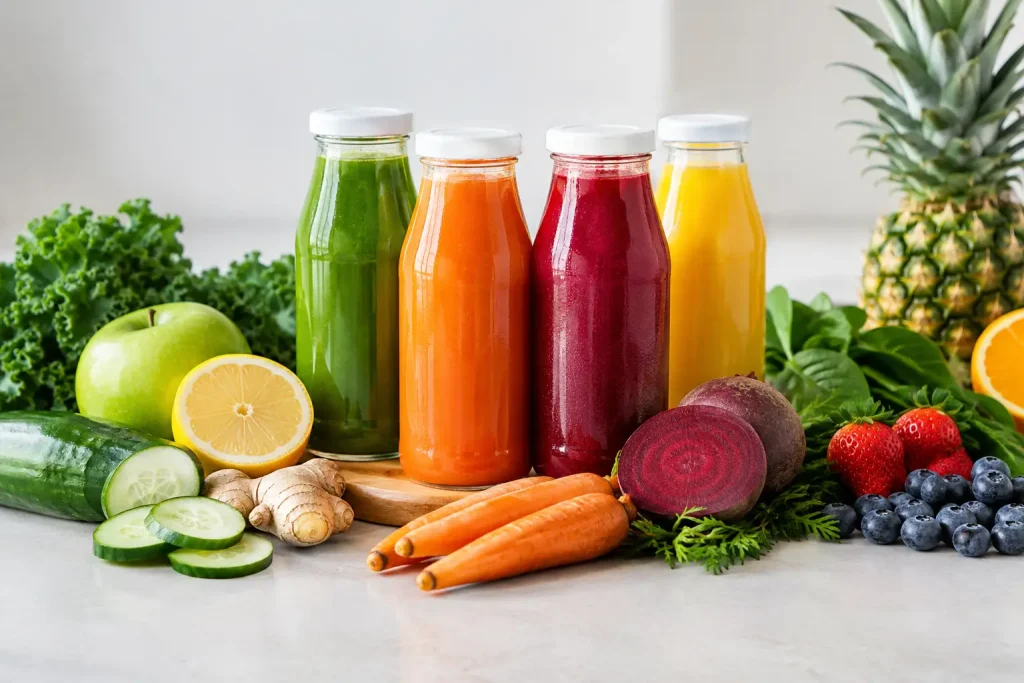
A bottle of cold pressed juice can look simple, but the ingredient label tells the real story. This cold pressed juice ingredient guide is designed to help you recognize what creates bright flavor, natural sweetness, satisfying body, and a juice ritual you will actually look forward to keeping.
The best blends do not need a long list of hard-to-pronounce extras. They start with thoughtfully selected produce, use fruit with purpose, and balance bold ingredients with ones that make the juice pleasant to drink. Whether you enjoy green juice before a busy morning, reach for a citrus blend after a workout, or want an easy way to add more plants to your routine, knowing the role of each ingredient helps you shop with confidence.
What Cold Pressed Juice Means
Cold pressing extracts liquid from fruits and vegetables with hydraulic pressure rather than the high-speed blades commonly used in centrifugal juicing. The process is valued for producing a smooth, fresh-tasting juice with minimal heat exposure during extraction.
That said, “cold pressed” is not a shortcut for judging quality on its own. A cold pressed juice can still be overly sweet, made mostly from inexpensive fruit juice, or include ingredients that do not match your preferences. Look beyond the front label and read the ingredient panel. The order matters because ingredients are generally listed from the largest amount to the smallest.
Freshness matters, too. Juices made without artificial preservatives are best handled according to their label instructions. Keep refrigerated, check the use-by date, and enjoy them while their flavor is at its brightest.
Start With a Vegetable-Forward Foundation
Vegetables bring the crisp, earthy, and lightly savory character people expect from a well-made juice. They are often the foundation of green blends and can help keep a recipe from tasting like straight fruit juice.
Celery, Cucumber, and Romaine
Celery has a distinct, clean taste that works well with lemon, apple, and ginger. Cucumber is milder and highly refreshing, adding volume without overpowering other ingredients. Romaine contributes a soft green profile that can make leafy blends more approachable for people who find kale too intense.
These ingredients are especially useful when you want a lighter, more hydrating-tasting juice. They also pair well with herbs, so a cucumber, celery, lemon, and mint blend can feel crisp without relying heavily on fruit.
Kale, Spinach, and Other Leafy Greens
Leafy greens create deeper color and a more pronounced plant-forward flavor. Kale is bold, slightly bitter, and best balanced with bright citrus or a modest amount of apple or pineapple. Spinach is more neutral, making it an easy entry point for newer green-juice drinkers.
There is no need to force yourself into a very bitter blend just because it looks nutrient-dense. A juice you enjoy consistently is more likely to become part of your routine. Start with a gentler green combination, then explore bolder ingredients as your taste changes.
Beets and Carrots
Beets bring a rich, earthy sweetness and a striking ruby color. Carrots offer mellow sweetness that pairs naturally with orange, lemon, ginger, and turmeric. Both can make a vegetable-led juice feel more rounded without adding refined sugar.
Keep in mind that carrots and beets still contribute natural sugars. That is not a reason to avoid them, but it is a reason to appreciate balance. A beet juice with lemon, ginger, and cucumber will generally taste less sweet than one built mostly around apple and orange.
Use Fruit for Balance, Not Just Sweetness
Fruit is often what turns a challenging juice into a delicious one. It provides familiar flavor and helps balance greens, roots, and herbs. The key is choosing a blend where fruit supports the recipe instead of taking it over.
Apple is a common choice because it brings clean sweetness and works with nearly every vegetable. Pineapple adds tropical brightness and stands up well to ginger and greens. Orange creates a juicy citrus profile, while lemon and lime sharpen the entire blend without contributing much sweetness.
Berries can bring beautiful color and tang, although they are more common in blended beverages than traditional pressed juices because of their smaller yield. Watermelon is refreshing and naturally sweet, but it can make a blend taste more fruit-forward quickly.
If you prefer less sweetness, choose labels where vegetables appear first and fruit appears later. If you are introducing cold pressed juice to children or someone new to vegetable juices, a fruit-forward blend can be a friendly starting point. The right choice depends on your palate, your routine, and what you will genuinely enjoy drinking.
Herbs and Roots Bring the Personality
Herbs and roots are small ingredients with a big effect on flavor. They can turn a basic juice into something lively, warming, cooling, or bright.
Ginger delivers a peppery kick that works beautifully with citrus, apple, carrot, and pineapple. A little goes a long way, so a well-balanced juice should feel energizing to sip, not harsh on the palate. Turmeric has an earthy, slightly bitter character and is often paired with ginger, orange, lemon, or black pepper in wellness-inspired recipes.
Mint gives cucumber and watermelon blends a cool finish. Parsley brings a fresh green note that fits naturally in celery and lemon juices. Cilantro is more polarizing, but for those who enjoy it, it can add a vibrant edge to pineapple and lime combinations.
Spices and herbs should complement the produce, not mask it. If a juice tastes heavily flavored but the label leads with fruit concentrates or vague “natural flavors,” it may not deliver the fresh ingredient experience you expected.
Where Does Sea Moss Fit in Cold Pressed Juice?
Sea moss gel can be a convenient addition for people who want to build a more intentional daily wellness routine. Its mild taste makes it easy to pair with fruit-forward juices, especially pineapple, mango, berry, apple, and citrus blends. It can also add a slightly fuller texture, depending on the amount used.
Because sea moss gel is not traditionally part of a clear pressed juice, it is often best stirred into the bottle after juicing or blended into a juice-based smoothie. Start with the serving suggestion on your product label and pay attention to flavor and texture. A quality gel should fit into your routine without making every drink taste overly oceanic or overly thick.
At Murray Holistic, sea moss gels are handcrafted in small batches with premium sea moss and spring or filtered water, making them simple to add to a juice or smoothie ritual. Choose a flavor that complements your juice rather than competes with it.
Ingredients Worth Looking at More Closely
An ingredient list does not have to be perfect to be useful. Still, a few details can help you choose juice that better matches your goals and preferences.
First, watch for added sugars. Fruit naturally contains sugar, but added cane sugar, syrups, or sweetened concentrates may make a juice much sweeter than you intended. Next, consider whether the recipe uses whole ingredient names. “Cucumber,” “lemon,” and “ginger” are clear. Broad terms such as “juice blend” offer less transparency.
Also notice portion size. A small bottle of cold pressed juice can contain several servings of produce, but it should complement a varied eating pattern rather than replace regular meals. Juice has less fiber than eating whole fruits and vegetables, so pairing it with a balanced breakfast, snack, or meal can make your routine feel more satisfying.
If you have food allergies, sensitivities, or individual dietary questions, read labels carefully and speak with a qualified healthcare professional for guidance tailored to you.
Build a Juice Routine You Can Keep
The most useful cold pressed juice is the one that fits your real life. Keep a crisp green blend in the refrigerator for busy mornings, choose a citrus-ginger option when you want a bold flavor, or make a carrot-beet blend part of an afternoon reset. Variety helps prevent your routine from becoming boring and lets you explore the ingredients your body and taste buds enjoy most.
Start simple: choose juices with recognizable produce, a balance of vegetables and fruit, and flavors you honestly like. A thoughtful bottle can make taking care of yourself feel less like a task and more like a refreshing daily pause.