

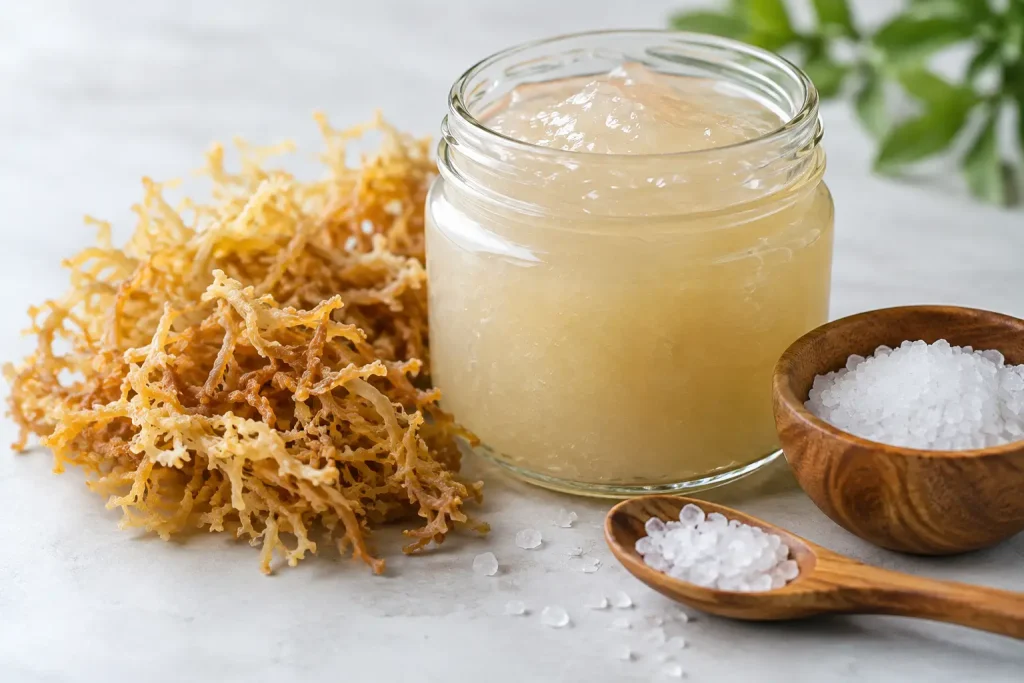
That first spoonful can be surprising. You may expect sea moss gel to taste neutral, only to notice a light salty, mineral-like finish instead. So, why is sea moss gel salty? In most cases, it is because sea moss is a marine algae that grows in ocean water and naturally carries an ocean-forward flavor, even after it has been thoroughly rinsed and blended.
A little saltiness does not automatically mean something is wrong. In fact, it can be one sign that your gel still reflects the character of the sea moss used to make it. The key is knowing the difference between a clean, mild briny taste and a gel that seems unpleasantly salty, sour, or off.
Why Is Sea Moss Gel Salty in the First Place?
Sea moss absorbs minerals from the marine environment where it grows. Those naturally occurring minerals, along with tiny traces of sea flavor that remain after washing, create the mild saline taste many people notice. Think of it like eating a fresh oyster, biting into ocean-grown greens, or opening a bag of seaweed snacks. The flavor is connected to where the plant came from.
Proper preparation can soften that taste, but it should not always erase it completely. Raw sea moss is usually rinsed and soaked several times before it is blended into gel with spring or filtered water. This process removes surface sand, debris, and excess salt while allowing the sea moss itself to retain its natural identity.
The final flavor depends on the batch. Sea moss is a whole-food ingredient, not a lab-made powder designed to taste exactly the same every time. A subtle variation from jar to jar is normal.
The Type and Origin of Sea Moss Can Affect Flavor
“Sea moss” is a common name used for more than one type of marine algae. Two varieties people often see in wellness products are Chondrus crispus, sometimes called Irish moss, and Gracilaria, which is commonly sourced from warm Caribbean waters. Neither variety is automatically better for every person. They simply have different textures, colors, and flavor profiles.
Chondrus crispus from the North Atlantic may have a deeper marine aroma and a more noticeable mineral finish. Caribbean Gracilaria can range from mild and lightly briny to more pronounced, depending on its growing conditions and how it is prepared. Weather, water conditions, harvest location, and seasonal changes can all influence the taste.
This is why one plain sea moss gel may taste almost neutral while another has a distinct salty note. It is not necessarily a quality issue. It is often a reflection of the sea moss variety and its natural environment.
Rinsing matters, but more is not always better
Careful rinsing is essential. It helps remove excess ocean salt and any natural debris from the sea moss before it becomes gel. However, aggressively over-rinsing or trying to strip every bit of flavor away is not the goal. Sea moss should taste clean and fresh, not like tap water with no character at all.
A quality gel is about balance: a smooth texture, a clean finish, and a flavor that works easily in your routine. For some people, that means choosing plain gel. For others, fruit-forward blends are the easiest and most enjoyable option.
What Normal Saltiness Tastes Like
Normal sea moss gel saltiness is usually mild. You may notice it most when you eat plain gel directly from the spoon. The flavor often fades quickly, especially when the gel is added to a smoothie, juice, oatmeal, applesauce, or herbal tea.
A clean gel may taste lightly briny, earthy, or mineral-like. It should not taste sharply sour, fermented, bitter, chemically perfumed, or overwhelmingly salty. Texture matters, too. Sea moss gel should generally be smooth to lightly textured depending on the variety, not fizzy, slimy in an unusual way, or separated with an unfamiliar odor.
Your own taste sensitivity also plays a role. If you typically eat low-sodium foods, you may notice even a gentle ocean flavor more strongly. If you are new to sea moss, give yourself a few uses before deciding whether plain gel is for you. Many customers find that their palate adjusts quickly once sea moss becomes part of a regular routine.
When a Salty Taste May Be a Concern
A salty flavor alone is not a reliable test of quality. Still, trust your senses if a jar seems noticeably different from what you expected or from previous jars you have enjoyed.
Be cautious if the gel has a strong spoiled smell, a sharp sour or alcoholic scent, visible mold, unexpected bubbling, or an extremely harsh flavor. Those changes are different from the natural taste of ocean-grown sea moss. Check the storage instructions, keep the gel refrigerated, use a clean spoon each time, and follow the recommended use-by window.
Freshness matters with handcrafted gel because it is typically made without artificial preservatives. That is one reason it should be handled like a fresh refrigerated food, not left on the counter or treated like a shelf-stable supplement. If you have questions about a specific jar, reaching out to the company that made it is always the right move.
How to Make Sea Moss Gel Taste Less Salty
If the sea-forward flavor is not your favorite, you do not have to force yourself to take a plain spoonful every morning. The best sea moss routine is one you can genuinely maintain.
Start by using a small amount in a smoothie with naturally sweet ingredients. Mango, pineapple, berries, banana, peach, and apple pair especially well with the mild mineral notes in sea moss. A spoonful can also blend easily into oatmeal, yogurt, chia pudding, soups, or a fresh juice. In these foods, the saltiness often becomes nearly unnoticeable.
Flavored gels are another practical choice. A thoughtfully made fruit blend can make sea moss more approachable without turning your wellness routine into a chore. This can be especially helpful for busy professionals, active adults, and parents looking for a more palatable option for their household.
At Murray Holistic, sea moss gels are handcrafted in small batches with spring or filtered water and made with freshness in mind. The goal is not to hide what sea moss is, but to make it easier to enjoy consistently through clean, flavorful options.
Does Salty Sea Moss Gel Mean It Has Added Salt?
Not necessarily. Plain sea moss gel can taste salty even when salt is not an added ingredient. The flavor commonly comes from the sea moss itself and its marine growing environment.
The most straightforward way to know what is in your jar is to read the ingredient label. A plain gel may contain only sea moss and water. Flavored varieties may include fruits, herbs, or other recognizable ingredients. Transparent labeling helps you choose a product that fits your preferences and lets you understand whether the taste is natural brininess or part of a recipe.
If you follow a sodium-restricted eating plan or have questions about how sea moss fits your personal dietary needs, speak with a qualified healthcare professional. A wellness product should support your routine, not create uncertainty.
Finding the Sea Moss Routine You Will Actually Enjoy
Sea moss gel does not need to taste like candy to be enjoyable, and it does not need to taste intensely like the ocean to be authentic. A light salty note is often simply part of using a real marine ingredient. What matters most is that the gel is prepared carefully, stored properly, and pleasant enough for you to use with confidence.
Try it in the format that fits your life: plain in a smoothie, blended into breakfast, or in a fruit-forward flavor you look forward to taking. A small daily ritual that feels fresh, simple, and enjoyable is always easier to keep.